
Manage Symptoms, Improve Quality of Life When Living with Dementia
2nd in a Series of Living with Chronic Conditions.
Long-lasting, chronic conditions include cancer, heart disease, diabetes, depression, and back/joint pain and dementia. Many experts now believe that exercise can be a very effective way of preventing chronic diseases and reducing symptoms.
Sedentary behavior alters brain chemistry, increasing the risk of:
- depressive symptoms (happiness and sadness are activated by chemicals in brain through neurotransmitters)
- decreased mental health.
Regular aerobic exercise helps:
- slow cognitive decline
- improve memory and learning
- brain structure (hippocampus ) grows
- boost focus.
Staying active is therapeutic, and aids in maintaining thinking skills. People who exercise have less risk of developing dementia. Also, by improving one’s physical condition, the body is stronger reducing the risk of falls, along with maintaining/increasing flexibility and circulation.
And, exercise is a great alternative for reducing pain, along with improving mood/well-being, sleep, and self-esteem.
Exercising more than the minimum recommended amount will result in extra health benefits and increased fitness. Increase workouts gradually.
A study found that, participants who engaged in regular, moderate to vigorous activity reduced their risk of developing dementia by 35%. Those who regularly completed household chores had a 21% lower risk. Exercise promotes brain health.
Aim for 150 minutes of moderate-to high-intensity of physical activity per week.
| Type of Exercise | How Often (per week) | Duration (per session) |
| Moderate Aerobic OR ————– Vigorous Aerobic | 5 days OR ___________ 3 days | 30 minutes OR _________ 20 minutes |
| Resistance Training | 2 days to 3 days | 20 to 30 minutes |
| Flexibility and Balance | 2 days (or daily) | 10 minutes |
It’s important to find activities that are enjoyable and safe. Exercise recommendations include: Aerobic (Walking or Chair exercise); Strength Training (Therabands™); Flexibility Training. Exercising should be individualized to one’s abilities, minimizing complications and maximizing benefits.
It’s helpful if a workout partner is available to exercise with a struggling older adult in order to provide assistance. Some individuals with dementia may struggle to move on their own and remember routines.
Start by doing what you like best.
Walking is an excellent exercise: walk the dog, walk around the grocery store, walk in the house, walk in the yard, or walk outside for any amount of time: good for the body / mind.
Sit to Stand exercise: Strengthens muscles needed for essential activities. Helps maintain/improve mobility and independence to perform ADL’s (Activities of Daily Living)
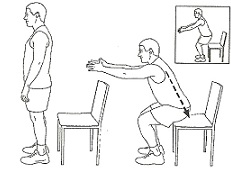
- Sitting is a chair, align feet, knees, and hips.
- Sitting tall and using no hands, push through your heels and stand without moving your feet.
- To do this, engage leg muscles and lift yourself in one fluid motion.
- Slowly lower back down into sitting position by tightening core and abs (abdominal muscles) to control the lowering process. Do not just drop back into the seat.
- Note: Keep knees aligned above ankles while sitting.
The goal is to ultimately complete the sit-to-stand exercise with no hands. This will become easier as the muscles in thighs and core (that provide stability) are strengthened.
Stay hydrated and safe. Talk with your health care provider before starting any exercise program, especially if you have had recent surgery.
For more information about exercises that will work for you, follow the link below:
https://nancylfitness.com/2019/06/04/exercises-that-will-work-for-you/
 Nancy L. Fitness